Boil Mouthpiece Instructions: A Comprehensive Guide
Achieving a secure and comfortable fit is paramount for mouthguard protection. This detailed guide provides step-by-step instructions for boiling and fitting your mouthpiece, ensuring optimal performance and safety during sports.
Understanding Boil-and-Bite Mouthguards
Boil-and-bite mouthguards represent a convenient and cost-effective solution for athletes and individuals seeking oral protection. Unlike custom-made mouthguards created by a dentist, these are designed to be softened with hot water and then molded to the unique contours of your teeth. This process allows for a personalized fit, significantly enhancing comfort and protective capabilities.
The material, typically a thermoplastic, becomes pliable when heated, enabling it to conform to your bite. However, it’s crucial to follow the manufacturer’s instructions precisely, as improper boiling or fitting can compromise the mouthguard’s effectiveness. Understanding the material properties and the fitting process is key to maximizing its benefits and ensuring adequate protection during physical activity.
Why a Custom Fit Matters for Mouthguards
A properly fitted mouthguard is essential for optimal protection and performance. Ill-fitting mouthguards can shift during impact, offering minimal defense against concussions, broken teeth, and jaw injuries. A custom fit ensures the mouthguard stays securely in place, effectively distributing forces and absorbing shock.
Comfort is also significantly improved with a precise fit, encouraging consistent use. An uncomfortable mouthguard is less likely to be worn, negating its protective benefits. The molding process, achieved through boiling and biting, allows the mouthguard to adapt to your unique dental structure, providing a snug and secure feel. This personalized fit maximizes protection and promotes confidence during athletic endeavors.
Types of Mouthguards Suitable for Boiling
Generally, thermoplastic mouthguards are designed for the boil-and-bite fitting process. These are commonly made from materials like EVA (ethylene-vinyl acetate), which softens when heated, allowing it to mold to your teeth. Single-layer and multi-layered boil-and-bite mouthguards are widely available for various sports, including boxing, MMA, basketball, and football.
Strobbys boil and bite mouthguards are specifically designed for this process, offering a convenient and affordable custom fit. It’s crucial to verify the packaging or manufacturer’s instructions to confirm if a specific mouthguard is suitable for boiling. Not all materials respond well to heat, and attempting to boil an unsuitable mouthguard can cause damage or deformation.
Mouthguards NOT Suitable for Boiling
Certain mouthguards should never be subjected to boiling water. These typically include those made from rigid acrylics or hard plastics, as the heat can warp or completely melt the material, rendering them unusable and potentially dangerous. Pre-made, stock mouthguards that don’t explicitly state they are “boil-and-bite” are also unsuitable.
Professionally fitted mouthguards created by a dentist are custom-made and are not designed to be re-molded with heat. Attempting to boil these can compromise their precise fit and protective qualities. Always check the product description or consult the manufacturer before attempting to boil any mouthguard to avoid irreversible damage and ensure your safety.
Step-by-Step Boiling and Fitting Process
Follow these crucial steps for a perfect fit. From water preparation to cooling, each stage ensures the mouthguard molds effectively to your unique dental structure.
Step 1: Preparing the Water
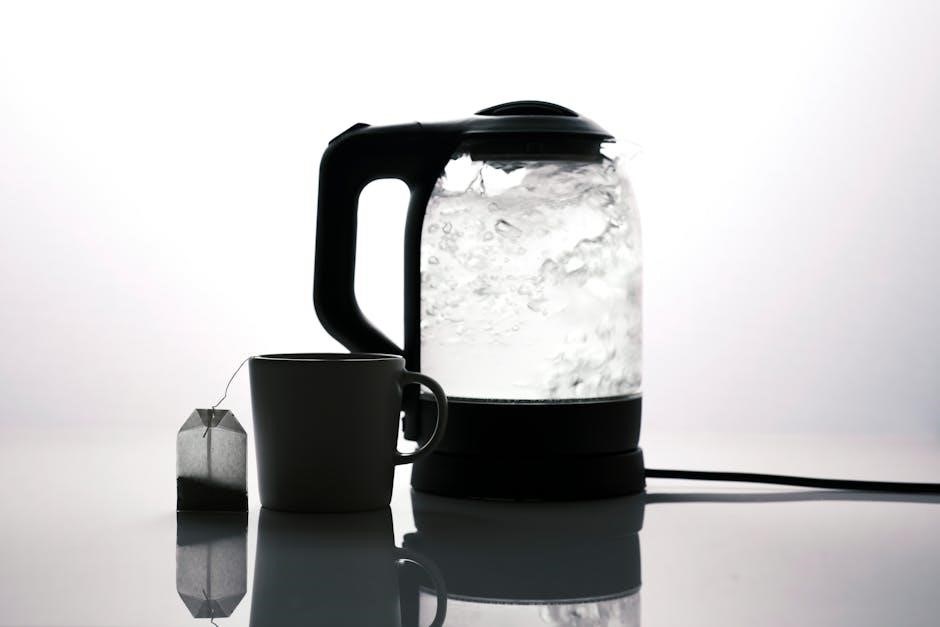
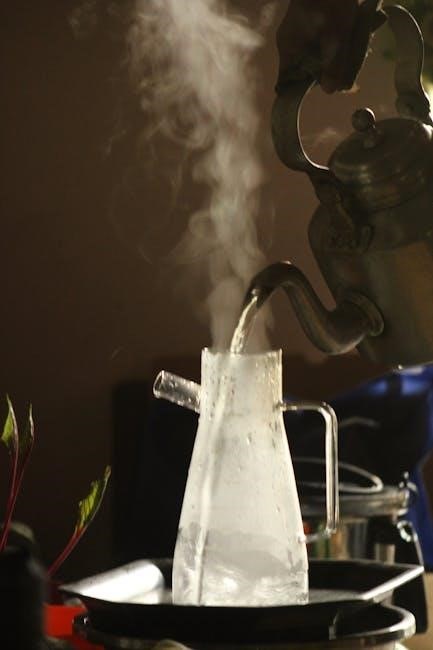
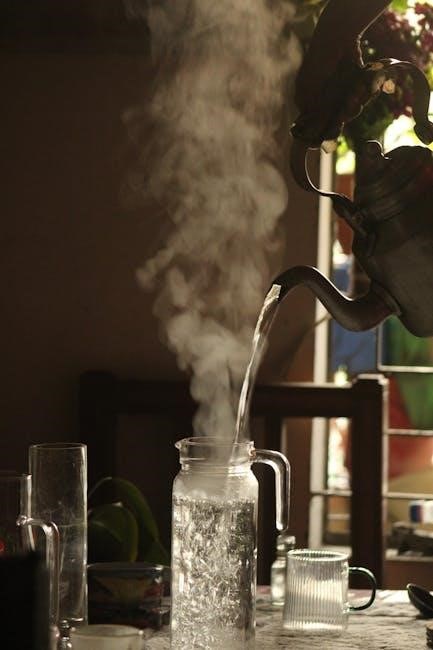
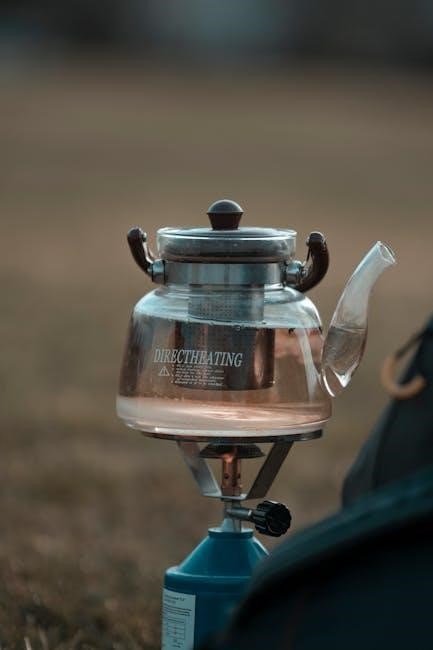
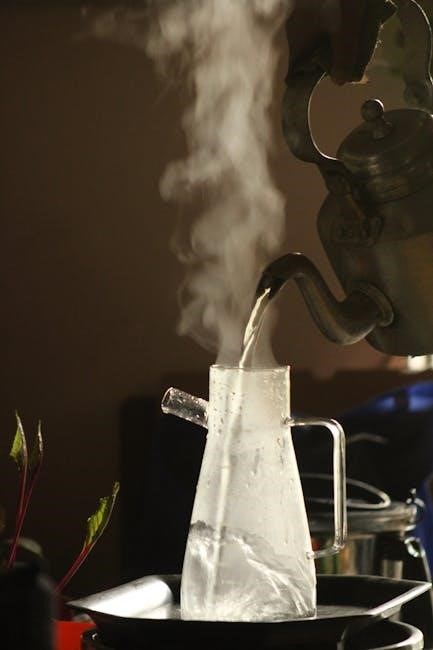
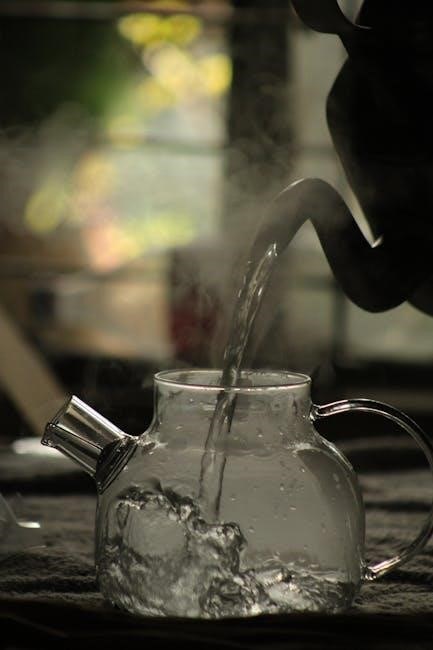
Begin by filling a pot or mug with sufficient water to fully submerge your boil-and-bite mouthguard. It’s essential to use potable water, ensuring it’s clean and safe for eventual contact with the mouthpiece. Place the pot on a stove and bring the water to a rolling boil. Once boiling, carefully remove it from the heat source.
Allow the boiling water to cool for approximately 30 seconds to one minute. This cooling period is vital; excessively hot water can distort or damage the mouthguard’s material, compromising its integrity and fit. The goal is warm, pliable water, not scalding heat. A slightly cooled temperature ensures the plastic softens gradually, allowing for optimal molding without structural harm.
Step 2: Submerging the Mouthpiece
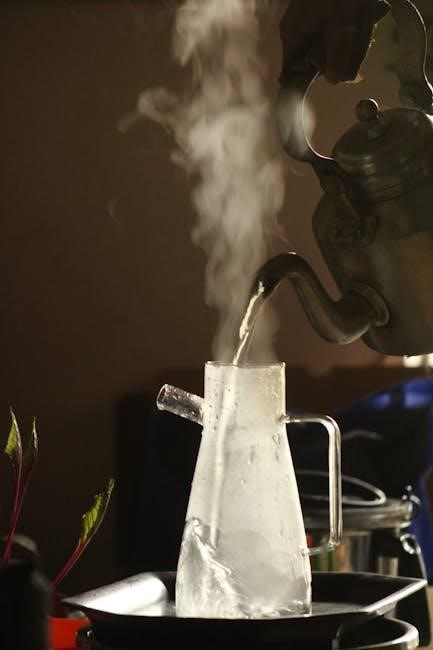
Carefully submerge the boil-and-bite mouthguard completely into the prepared warm water. Ensure the entire mouthpiece is covered, as uneven heating can lead to an inconsistent and improper fit. Use a utensil, like a fork or tongs, to gently guide the mouthguard beneath the surface, avoiding direct contact with the hot water.
Monitor the mouthguard as it sits in the water. The material will begin to soften and become more pliable. It’s crucial to adhere to the manufacturer’s recommended submersion time, typically ranging from 25 to 60 seconds, but always prioritize the specific instructions provided with your particular brand.
Step 3: Timing the Boil – Crucial Considerations
Precise timing is absolutely critical when softening your mouthguard. Over-boiling can compromise the material’s structural integrity, resulting in a distorted or weakened mouthpiece. Conversely, insufficient heating will prevent proper molding, leading to a poor and uncomfortable fit.
Always consult the specific timing guidelines provided with your mouthguard; each brand and type may have unique requirements. Generally, a timeframe of 30-60 seconds is common, but variations exist. Use a timer to ensure accuracy and avoid guesswork.
Remember to remove the heat source before submerging the mouthguard, allowing the water to cool slightly (around 30-60 seconds) to prevent overheating and potential damage.

Step 4: Removing the Mouthpiece Safely
Carefully extracting the softened mouthpiece from the hot water is essential to prevent burns and damage. Avoid using your bare hands, as the material will be significantly heated. Utilize a clean utensil, such as a fork or slotted spoon, to gently lift the mouthguard out of the water.
Exercise caution during removal; the softened plastic will be pliable but still retain heat. A sudden jerk or forceful pull could distort its shape.
Inspect the mouthguard for any immediate signs of deformation. If noticeable warping is present, it may indicate excessive boiling, and the process might need to be restarted with a shorter heating time.
Step 5: Cooling the Mouthpiece
Allowing the mouthpiece to cool to a comfortable temperature is a critical step before attempting to fit it. Immediately after removal from the hot water, the material will be too hot for your mouth, posing a risk of burns.
Let it sit for a short period – typically a few seconds – to dissipate some of the heat. You can gently blow on it to accelerate the cooling process, but avoid prolonged exposure to cold air, which could cause it to harden prematurely.
Test the temperature against your wrist before placing it in your mouth; it should feel warm, not scalding. A slightly warm temperature ensures optimal moldability.
Fitting the Mouthpiece to Your Teeth
Quickly and carefully position the cooled mouthpiece onto your teeth, ensuring proper alignment and initial contact for a secure, customized fit.
Step 6: Initial Placement and Blotting
Once the mouthpiece has cooled to a comfortable temperature – not scalding, but still warm enough to be pliable – it’s time for initial placement. Carefully remove the mouthpiece from the water using a fork or utensil, avoiding burns. Immediately, but gently, blot the excess water from the surface of the mouthpiece with a clean towel. This step is crucial; too much water can hinder the molding process and create a slippery surface.
Swiftly transfer the mouthpiece into your mouth. The goal is to get it positioned against your upper teeth before it cools and loses its malleability. Don’t hesitate – work quickly but deliberately. Proper initial placement sets the foundation for a successful custom fit, maximizing comfort and protection.
Step 7: Molding to Your Upper Teeth
With the mouthpiece positioned against your upper teeth, begin the molding process. Gently close your mouth, allowing the warm material to conform to the contours of your upper dental arch. Focus on ensuring the mouthpiece covers all of your upper teeth, extending as far back as your molars.
Use your tongue to press the mouthpiece firmly against your teeth, paying particular attention to the areas around your gums. This helps create a detailed impression and ensures a secure fit. Avoid biting down forcefully at this stage; the goal is to mold the material around your teeth, not through them; Maintain a relaxed jaw position for optimal molding.
Step 8: Using Your Thumbs for Secure Fit
Once the mouthpiece is initially positioned, utilize your thumbs to refine the fit and ensure it’s securely molded against your upper teeth. Place your thumbs on the outside of the mouthpiece, applying gentle but firm pressure.
Push upwards and backwards towards your molars, effectively guiding the material into every crevice and contour of your upper teeth. This action helps to create a tight seal and prevents the mouthpiece from shifting during use. Continue applying pressure for approximately 30-60 seconds, maintaining consistent contact. This step is crucial for a truly customized and protective fit.
Step 9: The Suction Process & Bite Down
With your thumbs firmly applying pressure, close your mouth around the mouthpiece, creating a strong suction. This suction is vital for drawing the softened material tightly against the unique shape of your teeth and gums.
Gently bite down, but avoid excessive force that could distort the mouthpiece. Maintain this bite and suction for the recommended time, typically around 30 seconds, allowing the material to fully conform. You should feel the mouthpiece adapting to your bite. This process ensures a personalized fit, maximizing comfort and protection during athletic activities.
Step 10: Maintaining Pressure During Cooling
While still maintaining the bite and suction, it’s crucial to keep consistent pressure on the mouthpiece as it cools. This prevents the material from reverting to its original shape and ensures it retains the precise impression of your teeth.
Continue biting down gently and applying thumb pressure for the duration of the cooling process, usually around 1-2 minutes. You can use your cheeks to gently assist in holding the mouthpiece in place. Avoid releasing pressure prematurely, as this can compromise the custom fit you’ve worked to achieve. A properly cooled mouthpiece will offer superior comfort and protection.
Troubleshooting & Important Considerations
Addressing fit issues and potential problems is key for a successful outcome. This section covers solutions for discomfort, re-fitting, and avoiding damage during the boiling process.
Step 11: What to Do if the Mouthpiece is Too Hot
Safety is paramount when handling a recently boiled mouthpiece. If the mouthguard retains excessive heat after removal from the water, do not attempt to place it in your mouth immediately. Allow it to cool further – a slightly warm temperature is acceptable, but it should never be uncomfortably hot.
Run cool (not cold) water over the exterior of the mouthpiece for a few seconds to expedite the cooling process. Avoid submerging it back into cold water, as rapid temperature changes could potentially warp the material.
Always test the temperature against your wrist before attempting to insert it. If it feels too warm, continue cooling it. Patience is crucial to prevent burns or discomfort. A properly cooled mouthpiece will mold comfortably and effectively.
Step 12: What to Do if the Fit Isn’t Right (First Attempt)
Don’t be discouraged if the initial fit isn’t perfect! It’s common to require a second attempt to achieve a truly custom fit. If the mouthpiece feels loose, doesn’t extend far enough back, or causes discomfort, you can typically re-boil and re-fit it.
Carefully examine where the fit is inadequate. Is it too shallow? Does it not cover enough of your molars? Note these areas. Before re-boiling, ensure the mouthpiece is clean.
Remember, precise timing during the re-boiling process is key. Don’t exceed the recommended time, and follow the instructions carefully. A second attempt often yields significantly improved results, providing a secure and comfortable fit.
Step 13: Re-Boiling and Re-Fitting (If Necessary)
If the first re-fit wasn’t quite right, don’t hesitate to try again! Most boil-and-bite mouthguards can withstand a second re-boiling, allowing for further adjustments. However, be mindful of potential material degradation with repeated heating.
Repeat the entire boiling and fitting process – from preparing the water to cooling and molding. Pay close attention to the areas identified as needing improvement during the previous attempt. Focus on achieving a better extension over your molars and a more secure grip.
Remember to blot excess water and maintain firm pressure during the cooling phase. If, after a second attempt, the fit remains unsatisfactory, consider consulting a dentist.
Step 14: Potential Damage from Over-Boiling
Excessive boiling can significantly compromise the integrity of your mouthguard. Leaving the mouthpiece submerged in hot water for too long – exceeding the recommended 60 seconds – can cause the material to become overly softened and lose its shape. This results in a poor, ill-fitting guard that offers reduced protection.
Over-boiling can also lead to bubbling, warping, or even complete disintegration of the mouthguard. Repeatedly re-boiling, even within the time limits, can gradually weaken the material. Always adhere to the manufacturer’s specific instructions regarding boiling times.
If you notice any signs of damage, discontinue use immediately and replace the mouthguard.

Care and Maintenance After Fitting
Proper cleaning and storage are vital for longevity and hygiene. Regularly clean your fitted mouthguard and store it in a ventilated case to prevent bacterial growth.
Step 15: Cleaning Your Boil-and-Bite Mouthguard
Maintaining impeccable hygiene is crucial after each use. Immediately after removing your mouthguard, rinse it thoroughly under cool running water to eliminate saliva and debris. Avoid using hot water, as it can distort the shape of the fitted guard.
Next, gently brush the mouthguard with a soft-bristled toothbrush and a mild, non-abrasive soap or dedicated mouthguard cleaner. Harsh chemicals or toothpaste can damage the material. Pay close attention to all surfaces, ensuring no residue remains.
Finally, rinse again with cool water and allow the mouthguard to air dry completely before storing it in its protective case. Regular and diligent cleaning prevents bacterial buildup and extends the lifespan of your boil-and-bite mouthguard, safeguarding your oral health.
Step 16: Storage Best Practices
Proper storage significantly impacts your mouthguard’s longevity and hygiene. Always store your fitted boil-and-bite mouthguard in its original, ventilated case when not in use. This protects it from dust, dirt, and potential damage from being crushed or bent.
Avoid leaving the mouthguard exposed to direct sunlight or extreme temperatures, as these can alter its shape and fit. Do not store it with other dental appliances, as cross-contamination can occur.
Ensure the case is regularly cleaned with mild soap and water to prevent bacterial growth. A clean storage environment contributes to maintaining the mouthguard’s integrity and ensures it remains a safe and effective protective device for future use.
Step 17: Lifespan of a Fitted Mouthguard
The lifespan of a fitted boil-and-bite mouthguard varies based on usage and care, but generally ranges from six months to a year. Frequent, intense use – such as daily training in contact sports – will shorten its lifespan. Regularly inspect your mouthguard for signs of wear and tear, including cracks, tears, or distortion of the shape.
If you notice any damage, or if the fit becomes loose or uncomfortable, it’s time for a replacement. Growth spurts in younger athletes can also necessitate a new mouthguard to ensure a proper fit. Prioritizing replacement maintains optimal protection.
Step 18: Recognizing When to Replace Your Mouthguard
Knowing when to replace your fitted mouthguard is crucial for continued protection. Obvious signs include visible cracks, tears, or holes compromising its structural integrity; A loose fit, where the mouthguard doesn’t stay securely in place during activity, is another key indicator. Changes in your teeth – due to orthodontic work or natural shifting – also demand a replacement for a proper fit.
If the material becomes brittle or discolored, or if it develops an unpleasant odor despite regular cleaning, it’s time for a new one. Don’t risk injury by continuing to use a compromised mouthguard; prioritize safety!
Step 19: Brand-Specific Instructions (Strobbys Example)
Always consult the specific instructions provided with your mouthguard, as boiling times and fitting procedures can vary between brands. Strobbys, for instance, emphasizes a simple process for their boil and bite mouthguards. They guide users through each step, ensuring ultimate comfort and protection.
Strobbys instructions typically involve submerging the mouthguard for a specific duration – often around 30-60 seconds – followed by careful removal and immediate fitting. Their focus is on achieving a perfect fit at home, catering to athletes in MMA, boxing, and jiu-jitsu, or anyone needing extra protection.
Step 20: When to Consult a Dentist
While boil-and-bite mouthguards offer a convenient solution, professional dental advice is crucial in certain situations. If you experience persistent discomfort, difficulty breathing, or an ill-fitting mouthguard after multiple attempts, consult your dentist immediately.
Individuals with existing dental work, such as braces, bridges, or significant restorations, should seek a dentist’s guidance before attempting to fit a boil-and-bite mouthguard. A dentist can assess your oral health and recommend a custom-fitted mouthguard for optimal protection and comfort, ensuring it doesn’t interfere with your dental appliances or cause damage.

Leave a Reply
You must be logged in to post a comment.