Article Plan: A Guide to the NYT Crossword “City” Clues
Navigating the New York Times crossword often hinges on geographic knowledge; this guide dissects strategies for conquering those challenging “city” clues, enhancing your solving skills.
The New York Times crossword puzzle holds a unique allure, captivating millions daily with its blend of linguistic dexterity and general knowledge challenges. A significant portion of these puzzles frequently tests solvers’ familiarity with global cities, making them a recurring and often pivotal element. This isn’t accidental; city names offer concise, readily accessible clues, fitting neatly into the grid’s constraints.
Furthermore, cities represent intersections of history, culture, and geography – rich thematic ground for clever clue writing. The NYT Games portfolio, including the Midi crossword, consistently delivers thoughtfully crafted puzzles. Understanding why cities appear so often, and how the clues are constructed, is key to improving your solving speed and accuracy. This guide aims to unlock those secrets, transforming frustrating city clues into satisfying “aha!” moments.
Understanding the NYT Crossword’s Geographic Focus
The New York Times crossword demonstrates a consistent and deliberate geographic focus, extending beyond simple city identification. This stems from several factors: cities are concrete entities with established spellings, minimizing ambiguity. They also offer diverse clue possibilities – historical events, cultural landmarks, or geographical features associated with a location. The puzzle’s construction benefits from the readily available data surrounding cities, facilitating grid fill.
Moreover, the inclusion of cities reflects a broader trend towards puzzles that engage with the world around us. Recent trends show an increased focus on global cities, acknowledging a more interconnected world. The NYT Games portfolio prioritizes puzzles that are both challenging and informative, and geography naturally lends itself to this goal. This focus isn’t merely about testing knowledge; it’s about fostering curiosity.
Why “City” Clues are Common in the NYT Crossword
City names frequently appear in the New York Times crossword due to their inherent utility in puzzle construction. Their relatively fixed length and established spellings provide stability within the grid, aiding in interlocking word solutions. Clues can be crafted around a city’s history, culture, or geographical location, offering a wide range of difficulty levels. This versatility allows constructors to cater to both novice and experienced solvers.
Furthermore, the NYT Games portfolio emphasizes puzzles that are both engaging and educational. Cities represent recognizable points of reference, making clues accessible while still presenting a mental challenge. The increasing focus on global cities, as observed recently, reflects a desire to broaden the puzzle’s scope and appeal to a diverse audience, enriching the overall gameplay experience.

Common Clue Types for Cities
Expect clues referencing historical events, cultural icons, or geographical features linked to cities; these form the core of NYT crossword city identification challenges.
Historical Significance as a Clue
The New York Times crossword frequently leverages a city’s past to craft its clues. Think beyond modern associations and consider pivotal moments in history that define a location. For example, a clue referencing a treaty signing or a famous battle might point to the city where those events unfolded.
Clues might allude to founding dates, significant periods of governance, or even the origins of a city’s name. Recognizing these historical connections is crucial. Consider cities central to revolutions, empires, or artistic movements. Often, the clue won’t directly state “historical city,” but rather hint at a past event intrinsically linked to its identity. Successfully decoding these clues requires a broad understanding of world history and the ability to connect events to specific places.
Cultural Landmarks and City Identification
Many New York Times crossword clues utilize iconic cultural landmarks as identifiers for cities. These aren’t just tourist attractions; they’re symbols deeply woven into a city’s identity. Think of the Eiffel Tower and Paris, or the Colosseum and Rome. Clues might describe the landmark itself, or allude to the art, architecture, or historical significance associated with it.
Pay attention to clues referencing museums, theaters, famous statues, or unique architectural styles. The crossword might describe a landmark without explicitly naming the city, requiring you to make the connection. Knowing which cities are renowned for specific cultural contributions is key. Consider cities famous for their music, film, literature, or culinary traditions – these often appear in clues.
Geographical Features and City Associations
The New York Times crossword frequently links cities to their defining geographical features. Clues might reference a city’s location on a river, coast, or mountain range, or its proximity to a significant natural landmark. For example, a clue mentioning “the City of Angels” immediately suggests Los Angeles and its basin setting.
Consider clues referencing bays, harbors, or specific bodies of water. Cities built around ports or known for their coastal access are common subjects. Understanding a city’s climate or terrain can also be helpful. Is it known for deserts, rainforests, or a particular type of landscape? These geographical associations often serve as subtle, yet effective, clues within the puzzle.

Decoding Specific “City” Clue Strategies
Mastering city clues requires recognizing patterns: capital cities, river locations, and those named after historical figures—essential tactics for crossword success.
Capital City Recognition
Capital cities frequently appear in the New York Times crossword, often clued with indirect references rather than straightforward naming. Recognizing national capitals is a foundational skill; however, the puzzle often tests knowledge beyond just the country-capital pairing. Clues might allude to the capital’s historical role, prominent landmarks, or even its position within the nation’s political landscape.
Consider clues referencing governmental bodies or significant events tied to a capital. For example, a clue mentioning “Parliament” strongly suggests London or Ottawa. Similarly, a reference to the “Kremlin” points to Moscow. Be mindful of less-known capitals or those with similar spellings. A strong geographical foundation, coupled with an understanding of global politics, dramatically improves your success rate with these clues. Don’t overlook the possibility of state or provincial capitals as well!
River/Port City Connections
Many cities owe their existence and prominence to their location on major rivers or coastlines, making these connections frequent crossword fodder. Clues often hint at a city’s maritime history, trade routes, or the river that sustains it, rather than directly naming the city. Think about cities historically reliant on waterways for commerce and transportation.
For instance, a clue referencing the “Thames” immediately suggests London. Similarly, “Mississippi” points towards cities like New Orleans or St. Louis. Consider port cities known for specific exports or imports; Recognizing major rivers globally – the Nile, Yangtze, Amazon – and their associated urban centers is crucial. Be prepared for clues that use metaphorical language relating to water or navigation to indicate these cities.
Cities Named After People or Events
The New York Times crossword frequently tests solvers’ knowledge of cities bearing names commemorating historical figures or significant events. These clues often require recalling the namesake and their connection to the location. Recognizing patterns – cities named after presidents, explorers, or saints – can be incredibly helpful.
For example, “Washington” immediately suggests a connection to George Washington. Cities named after explorers, like Columbus (Ohio), or saints, like Saint Louis (Missouri), are common. Clues might allude to the event the city commemorates, such as a battle or treaty. Knowing the etymology of city names, even broadly, provides a significant advantage. Be prepared for less obvious connections requiring historical recall.

Navigating Tricky “City” Clues
Deceptive clues demand careful consideration; ambiguous wording, foreign names, and abbreviations frequently mislead solvers, requiring broad geographic knowledge and deduction skills.
Ambiguous Clues and Multiple Possibilities
The New York Times crossword frequently employs deliberately ambiguous clues, presenting solvers with multiple cities potentially fitting the description. This tactic tests not just geographic knowledge, but also logical deduction and pattern recognition. For example, a clue referencing a “port city” could conceivably point to numerous locations globally – Boston, Shanghai, or Alexandria, among others.
Successfully navigating these challenges requires considering the clue’s length, intersecting letters from already-filled entries, and the overall theme of the puzzle. Often, the crossword’s difficulty lies not in identifying a correct answer, but in discerning the intended answer within a field of plausible options. Careful examination of all available information is crucial to avoid falling into common traps.
Foreign City Names and Spelling Variations
Solving New York Times crosswords often demands familiarity with foreign city names, frequently presented with variations in spelling or transliteration. Accents, diacritics, and alternative romanizations can significantly complicate matters, especially for those less versed in other languages. Consider cities like München (Munich) or São Paulo, where the correct spelling is vital for a successful solve.
Furthermore, the crossword may utilize less common spellings or historical names, adding another layer of difficulty. It’s essential to be aware of potential variations and to consider how a city’s name might be represented in English. Cross-referencing with a geographic database can prove invaluable when encountering unfamiliar or ambiguously-clued international locations.
Cities with Common Abbreviations
Many cities are frequently represented by their abbreviations in everyday language, and the New York Times crossword often leverages this familiarity – or tests solvers on it! Recognizing these common shortcuts is crucial. For example, “NYC” for New York City, “LA” for Los Angeles, or “DC” for Washington, D.C. are frequent appearances.
However, the puzzle might intentionally mislead by using a less obvious abbreviation or a historical one. Be prepared to consider multiple possibilities and think beyond the most common forms. A solid understanding of postal codes and airport codes can also be surprisingly helpful when deciphering these abbreviated city clues, expanding your solving toolkit.

Resources for Solving NYT Crossword “City” Clues
Utilize online geographic databases, crossword solver websites, and the NYT archives to bolster your city knowledge and improve puzzle-solving efficiency.
Online Geographic Databases and Maps
For swift verification and expanded knowledge, several online resources prove invaluable when tackling city-centric clues. Google Maps offers detailed views and location context, aiding in confirming potential answers. Geographic databases like GeoNames provide comprehensive information on cities worldwide, including population, area, and administrative regions – details often hinted at in clues.
Furthermore, websites dedicated to world statistics, such as City Population, present comparative data that can unlock answers based on size or ranking. Wikipedia, while requiring cautious cross-referencing, often contains historical and cultural details relevant to crossword clues. Remember to leverage these tools strategically, combining map visuals with factual data to confidently fill in those tricky city names within the New York Times crossword grid.
Crossword Solver Websites and Apps
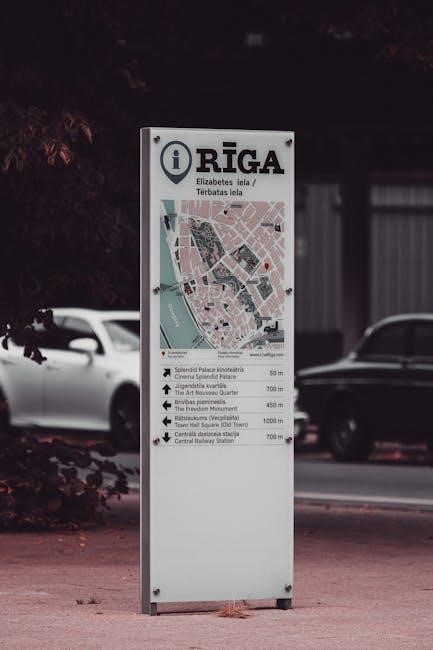
When stumped by a city clue, dedicated crossword solver websites and apps can be powerful allies. Websites like Crossword Solver and Dictionary.com’s crossword helper allow you to input known letters and clue patterns to generate potential city names. These tools are particularly useful when dealing with ambiguous clues or unfamiliar geography.
Mobile apps, such as the NYT Crossword app itself (with its hint feature) and others like Redstone Crossword, offer similar functionality on the go. However, remember that relying solely on solvers diminishes the learning experience. Use them as a last resort to confirm suspicions or break through particularly challenging roadblocks, rather than as a primary solving method, to truly master city-related clues.
NYT Crossword Archives and Analysis
Delving into the New York Times Crossword archives is a surprisingly effective strategy for mastering city clues. By searching past puzzles (accessible through the NYT Games website with a subscription), you can identify recurring clue patterns and how specific cities have been referenced previously.
Analyzing these past instances reveals the types of angles the crossword constructors favor – historical connections, cultural landmarks, or geographical features. Websites dedicated to crossword analysis often dissect puzzle themes and clueing techniques, offering insights into the constructor’s style. This historical perspective builds a mental database of how the NYT typically approaches city-related questions, improving your predictive abilities.

Recent Trends in NYT Crossword “City” Clues (as of 02/26/2026)
Currently, NYT crosswords showcase a growing emphasis on global cities and incorporate current events into city-related clues, demanding broader geographic awareness.
Increased Focus on Global Cities
The New York Times crossword puzzles, as of February 26, 2026, demonstrate a noticeable shift towards featuring cities beyond the traditional North American and European staples. Solvers are increasingly encountering clues referencing metropolises in Asia, Africa, and South America, reflecting a more interconnected world. This trend necessitates a broader geographic understanding, moving beyond familiarity with major Western capitals.
Recent puzzles have included references to cities like Accra, Ghana; Medellín, Colombia; and Ho Chi Minh City, Vietnam, indicating a deliberate effort to diversify the geographic scope. This isn’t merely about naming cities; clues often allude to their unique cultural contributions, economic roles, or recent developments, requiring solvers to possess a more nuanced awareness of global affairs. The puzzles are evolving to mirror the world’s changing landscape, challenging solvers to expand their knowledge base.
Emerging Trends in Clue Wording
Analyzing recent New York Times crosswords (as of 02/26/2026) reveals a subtle but significant evolution in how city clues are constructed. There’s a growing preference for indirect references, moving away from straightforward “Capital of…” prompts. Instead, clues now frequently incorporate cultural touchstones, historical anecdotes, or contemporary events associated with a city.
Expect to see more clues referencing a city’s film industry (“Bollywood’s home”), musical heritage (“Birthplace of jazz”), or notable landmarks beyond the obvious. The puzzles are also employing more playful wordplay and misdirection, demanding a deeper understanding of both geography and general knowledge. This shift requires solvers to think laterally and consider multiple layers of association when deciphering city-related clues, increasing the challenge.
The Role of Current Events in City Clues
Observing the New York Times crossword (dated 02/26/2026), a noticeable trend is the integration of current events into city-related clues. Recent geopolitical shifts, international summits, or major cultural festivals hosted by cities are increasingly becoming fodder for puzzle construction. For example, a city hosting a significant climate conference might be clued with a reference to environmental initiatives.
This reflects a desire to keep the puzzles relevant and engaging, tapping into the solver’s awareness of the world around them. However, it also introduces a time-sensitive element; clues referencing fleeting events may become dated quickly. Staying informed about global happenings is now more crucial than ever for successfully tackling these dynamic city clues.

Advanced Techniques for City Clue Mastery
Refine your skills by recognizing clue patterns, leveraging cross-references, and building a robust mental database of cities—essential for crossword success!
Pattern Recognition in Clue Construction
Experienced crossword solvers understand that the New York Times employs recurring patterns in its clue writing. For city clues, observe how adjectives frequently precede the city name, hinting at a specific attribute – “French city” immediately narrows possibilities. Pay attention to verb tenses; past tense often signals historical significance.
Clues utilizing “capital of…” are straightforward, but variations like “seat of government” require broader knowledge. Notice if the clue focuses on a city’s function (“port city”) or a defining characteristic (“city of brotherly love”). Recognizing these patterns allows for quicker deductions. The NYT often subtly alludes to famous landmarks or events associated with a city, so a general awareness of global history and culture is invaluable.
Furthermore, be mindful of the clue’s length; a shorter clue often indicates a well-known city, while longer, more descriptive clues point towards less common locations.
Utilizing Cross-References and Intersections
Effective crossword solving isn’t about isolated answers; it’s about synergy. When tackling a “city” clue, immediately examine intersecting answers. Letters already filled in drastically reduce possibilities, guiding your geographic thinking. The New York Times frequently uses cross-references – clues that direct you to other entries for assistance.
A clue like “See 12-Across” relating to a city means the answer to 12-Across provides a crucial hint. Don’t hesitate to temporarily skip difficult city clues and focus on easier intersections. Filling in surrounding answers often reveals enough letters to unlock the city’s identity. Consider the theme of the puzzle; if a theme exists, it might subtly influence the city choices.
Remember, the grid is a network, and each answer supports the others.
Developing a Mental “City” Database
Consistent New York Times crossword solving builds an invaluable internal resource: a “city” database. Actively note cities appearing frequently in clues, alongside their associated trivia – historical events, landmarks, or river locations. Pay attention to cities with unusual spellings or multiple accepted names (e.g., Mumbai vs. Bombay).
Categorize cities mentally – capitals, port cities, those named after individuals, or those linked to specific industries. Regularly review geographic knowledge, perhaps using online maps or databases. The more you internalize this information, the faster you’ll recognize potential answers.
Consider creating a physical or digital list of frequently-clued cities for quick reference during challenging puzzles. This proactive approach transforms you from a reactive solver to a prepared strategist.

Leave a Reply
You must be logged in to post a comment.