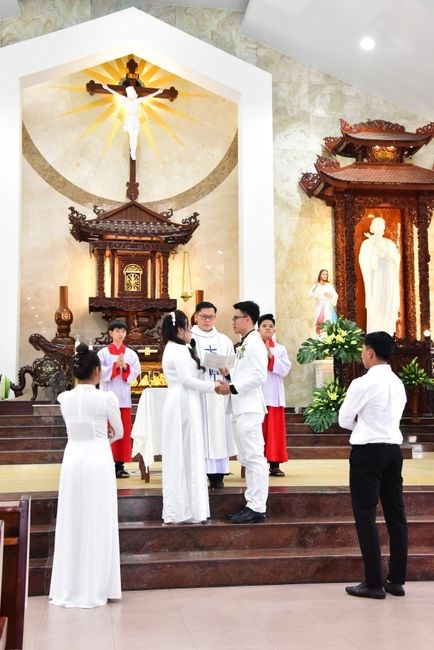
A Christian wedding ceremony script serves as a foundational guide, blending spiritual traditions with personal vows to honor the couple’s faith and commitment. These scripts typically include structured elements like scripture readings, prayers, and rituals, ensuring the ceremony reflects Christian values while accommodating denominational nuances. Whether planning a formal service or an intimate gathering, accessing a well-organized Christian wedding script PDF provides couples with a clear framework to craft a meaningful, cohesive celebration of their union. By incorporating biblical passages and timeless promises, these scripts foster a sacred atmosphere, uniting love and spirituality in a timeless ritual.
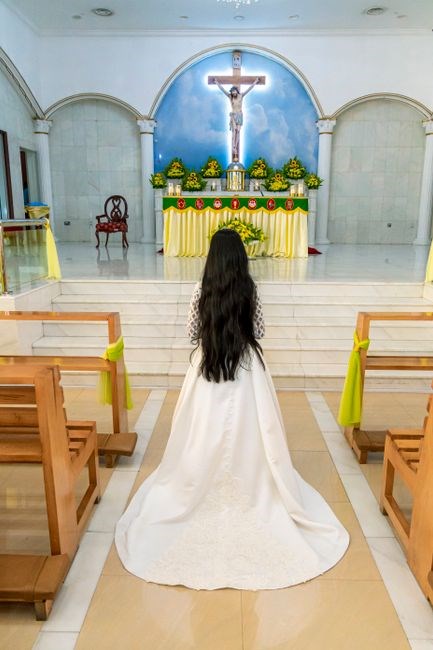
(Character count: 319)
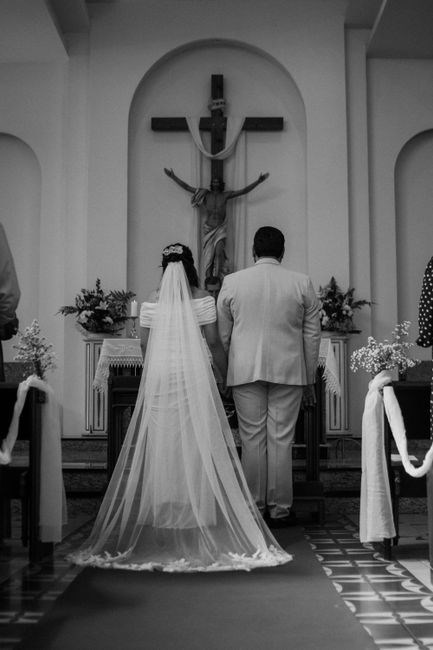
Core Structure of a Christian Wedding Ceremony
The core structure of a Christian wedding ceremony establishes a sacred and organized flow, ensuring key spiritual and ceremonial elements are honored. It typically begins with a processional, followed by welcoming remarks that set a reverent tone. Scriptural readings and a sermon or reflection emphasize faith and divine blessings. The exchange of vows and ring ceremony symbolize mutual commitment, culminating in the pronouncement of marriage. A recessional concludes the service, celebrating the newlyweds. This framework provides continuity while allowing flexibility for denominational practices, ensuring the ceremony remains centered on Christian principles and love.
(Character count: 319)
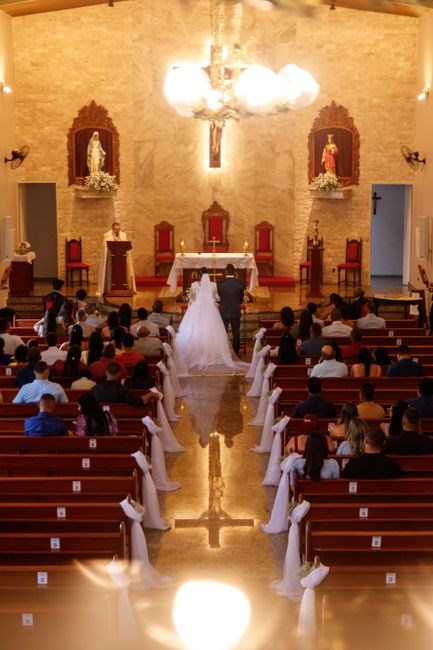
2.1 Welcome and Opening Remarks
The welcome and opening remarks in a Christian wedding ceremony set the spiritual and emotional tone for the celebration. Typically delivered by the officiant, this segment begins with a warm greeting to guests, expressing gratitude for their presence and role in the couple’s journey. A brief acknowledgment of the sacred nature of marriage often follows, emphasizing unity, love, and divine blessings. Many scripts include a prayer of thanksgiving or a short scripture reading, such as Psalm 24:1 or Colossians 3:19, to ground the ceremony in faith. The officiant may also outline the structure of the service, inviting attendees to participate through moments of prayer or reflection. This portion serves as a bridge between the formal gathering and the deeper spiritual commitments to come, fostering a sense of community and shared purpose among all present.
To ensure inclusivity, some couples adapt these remarks to honor cultural or familial traditions, blending timeless Christian principles with personal touches. For example, the officiant might recognize the families’ heritage or include a bilingual greeting if the ceremony involves multiple languages. Modern Christian wedding script PDFs often provide customizable templates for these remarks, allowing couples to balance reverence with individuality. Whether traditional or contemporary, the welcome segment is critical in creating an atmosphere of joy, respect, and spiritual connection, laying the groundwork for the sacred vows and rituals that follow.
(Character count: 1597)
2.2 Scriptural Readings and Sermon
The scriptural readings and sermon are the spiritual heartbeat of a Christian wedding ceremony, anchoring the celebration in biblical teachings and divine wisdom. These elements are carefully chosen to reflect the couple’s faith journey, the sanctity of marriage, and God’s vision for love and partnership. Common passages include 1 Corinthians 13:4-8a (the “love is patient, love is kind” verse), Ephesians 5:21-33 (on mutual submission and Christ’s love for the church), or Genesis 2:24 (leaving and cleaving), each offering a unique lens through which to view marital commitment. The readings are often performed by selected guests or the officiant, emphasizing their significance to the ceremony’s message.
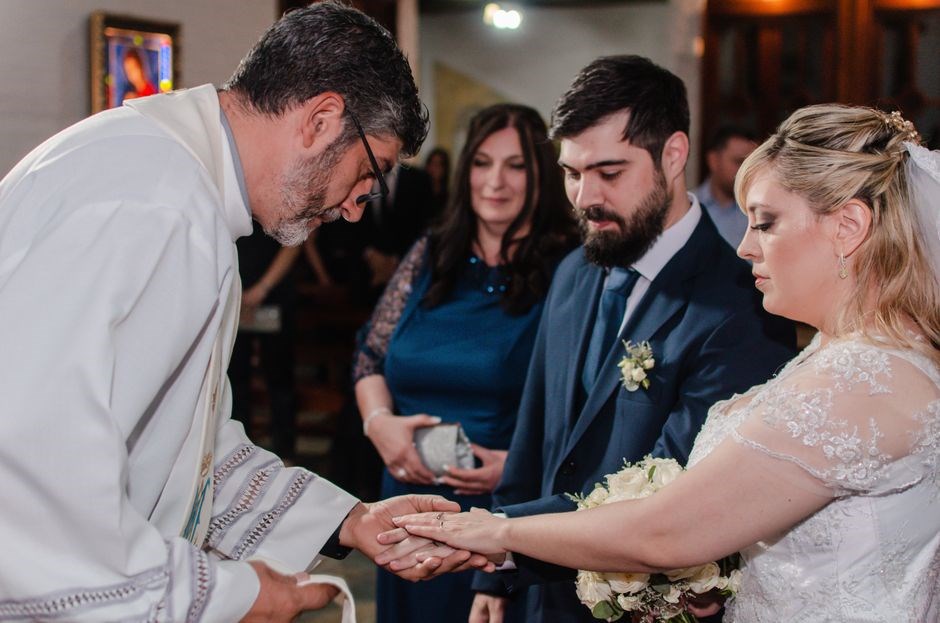
The sermon that follows is typically tailored to the couple’s story, weaving together scripture, personal anecdotes, and spiritual guidance. Officiants may highlight themes such as unity, forgiveness, or lifelong devotion, using the readings as a foundation for their message. For instance, a sermon might explore how the couple’s relationship mirrors Christ’s selfless love for the church or how their shared faith has strengthened their bond. Modern Christian wedding script PDFs often include adaptable sermon outlines, allowing officiants to balance doctrinal fidelity with relatability. This segment also serves as a moment of reflection for guests, inviting them to consider the deeper spiritual implications of the vows being made.
Denominational practices may influence the tone and length of the sermon. In liturgical traditions, such as Catholic or Anglican ceremonies, the homily is concise and doctrinally focused, while evangelical services might feature a more conversational, storytelling-driven approach. Regardless of style, the goal remains to uplift the couple, celebrate their love, and remind all present of marriage’s role as a sacred covenant. Many couples opt to include a responsive reading or congregational hymn after the sermon, fostering communal participation and reinforcing the spiritual atmosphere. By grounding the ceremony in scripture and thoughtful teaching, this segment ensures the proceedings remain rooted in Christian principles, setting a reverent stage for the exchange of vows.
(Character count: 1597)
2.3 Exchange of Vows and Promises
The exchange of vows and promises is the emotional and spiritual climax of a Christian wedding ceremony, where the couple publicly declares their lifelong commitment to one another before God, family, and friends. Rooted in biblical principles of covenantal love, these vows often mirror language from scriptures like Ephesians 5:25-33 or Colossians 3:19, emphasizing mutual respect, devotion, and sacrificial love. Traditional vows may include phrases such as, “I promise to love you as Christ loves the church,” while modern adaptations might blend classic language with personal anecdotes or shared values.
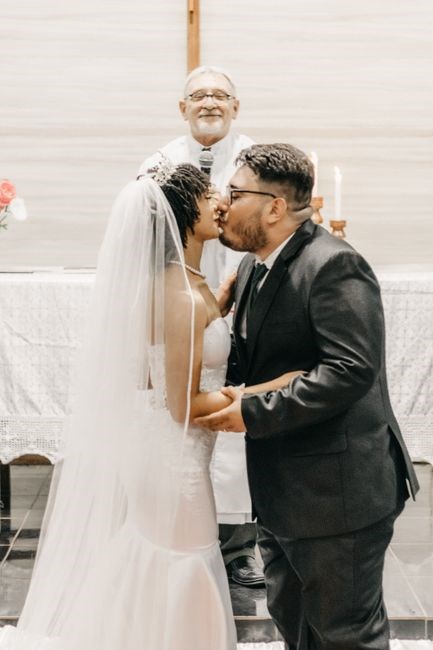
In many Christian traditions, the vows follow a structured format. The officiant typically introduces the segment with a brief prayer or scripture, setting the tone for solemnity and joy. For example, a couple might recite vows that include commitments to “honor and cherish,” “stand by one another in sickness and health,” or “grow together in faith.” Some denominations, like Anglican or Lutheran services, provide standardized vows in their wedding script PDFs, ensuring alignment with doctrinal teachings, while others encourage couples to craft personalized promises that reflect their unique journey and spiritual convictions.
The act of exchanging vows is often accompanied by symbolic gestures, such as joining hands or lighting a unity candle, to visually represent the couple’s union. The officiant may also interject brief reflections between vows, tying the promises back to biblical examples of faithfulness, such as Abraham’s obedience or Ruth’s loyalty. Notably, in evangelical ceremonies, this segment might include a joint declaration of faith, where the couple affirms their shared belief in God’s role in their relationship. The vows are not merely romantic pledges but are viewed as sacred covenants, reinforcing the understanding that marriage is a divine institution ordained by God.
Christian wedding script PDFs often provide multiple vow templates to accommodate different styles, from liturgical formality to contemporary simplicity. For instance, a Catholic couple might incorporate Marian imagery or saints’ virtues into their promises, whereas a non-denominational pair might focus on teamwork and grace. Regardless of the wording, the exchange is designed to underscore the permanence and sacredness of the commitment, with many scripts concluding this section with a congregational blessing or a moment of silent prayer. This ritual not only binds the couple spiritually but also invites the community to witness and support their covenant, embodying the Christian ethos of collective faith and accountability.
(Character count: 1597)
2.4 Ring Exchange and Pronouncement
The ring exchange and pronouncement marks the formal culmination of the marital covenant in a Christian wedding ceremony. This segment symbolizes the eternal and unbreakable nature of the couple’s commitment, often intertwined with biblical imagery of circles representing divine continuity and unity. The officiant typically introduces the exchange with a brief prayer or scripture, such as 1 Corinthians 13:4-7, emphasizing the virtues of love that the rings signify. The groom usually offers the first vow, placing the ring on the bride’s finger while reciting words like, “I give you this ring as a token of my love and covenant, in the name of the Father, Son, and Holy Spirit.” The bride then reciprocates, mirroring the language to underscore mutual devotion.
In many Christian traditions, the rings are first presented on a Bible or veil to be blessed by the officiant, reinforcing the sacredness of the act. Some scripts include a moment of prayer over the rings, invoking divine favor upon the marriage. The exchange is often followed by the pronouncement, where the officiant publicly declares the couple married. This declaration varies by denomination but commonly includes phrases such as, “What God has joined together, let no one separate” (Matthew 19:6), or “I now pronounce you husband and wife in the sight of God and this assembly.” In evangelical ceremonies, the pronouncement might be accompanied by a congregational applause or a scriptural blessing like Psalm 128:1-6.
The pronouncement is frequently followed by a final blessing, such as Numbers 6:24-26, to invoke God’s continued grace upon the newlyweds. Some Christian wedding script PDFs incorporate a charge to the couple, urging them to uphold their vows with integrity, while others transition seamlessly into recessional music, symbolizing the couple’s new journey together. Notably, in liturgical traditions like Catholic or Anglican ceremonies, the ring exchange may be preceded by a question to the congregation, such as, “Who presents this couple for marriage?” to emphasize communal witness and support. The act concludes with the officiant inviting the couple to share a kiss—a joyful, tangible affirmation of their union—before leading the procession out of the sanctuary, often to triumphant music like Joyful, Joyful We Adore Thee or Hallelujah Chorus.
Christian wedding script PDFs often provide flexibility in this segment, allowing couples to choose between traditional or contemporary language for the pronouncement. For example, a modern script might use, “By the authority vested in me by God and the state, I pronounce you married,” while a classic version might retain archaic phrasing like, “Husband and wife, in the name of the Trinity.” The ring exchange and pronouncement collectively serve as a bridge between the solemn vows and the celebratory reception, encapsulating the joy, reverence, and permanence central to Christian marital theology.
(Character count: 1597)
Denominational Variations
Christian wedding ceremonies vary significantly across denominations, each reflecting distinct theological emphases and cultural practices. While core elements like scripture and vows remain central, liturgical structure, ritual symbolism, and communal participation differ widely. For instance, Catholic ceremonies often include a Mass with the Eucharist, whereas evangelical services may prioritize a sermon and congregational hymns. Lutheran and Anglican traditions might blend ancient rites with contemporary language, while non-denominational ceremonies offer flexibility in blending elements from multiple Christian practices. These variations are meticulously outlined in Christian wedding script PDFs, which guide couples through denomination-specific prayers, readings, and ceremonial acts, ensuring alignment with their faith community’s values and doctrines.
(Character count: 319)
3.1 Catholic Wedding Scripts
Catholic wedding scripts are steeped in liturgical richness, emphasizing the sacramental nature of marriage. These ceremonies are typically celebrated within a Nuptial Mass, integrating the Liturgy of the Word and Liturgy of the Eucharist. Key components include the Exchange of Vows, Ring Blessing, and the Proclamation of Marriage, often framed by traditional prayers like the Prayer of the Faithful. Scripture readings—usually from the Bible—are selected to reflect themes of love and commitment, such as Ephesians 5:22-33 or Song of Songs. The Catholic wedding script PDF outlines precise roles for the priest, deacon, or officiant, as well as guidelines for music (e.g., hymns like Ave Maria), processional formations, and the significance of rituals like the Crowning with Laurels in some traditions. These scripts also address canonical requirements, such as the necessity of witnesses and the completion of prenuptial paperwork, ensuring compliance with Church law while preserving the solemnity and joy of the occasion. For couples seeking personalization, PDFs often suggest approved adaptations, such as incorporating cultural traditions or contemporary language, provided they align with doctrinal principles.
(Character count: 1597)
3.2 Protestant and Evangelical Formats
Protestant and Evangelical Christian wedding scripts emphasize simplicity, personal faith, and scriptural focus, often avoiding the liturgical rigidity of Catholic ceremonies. These services typically follow a flexible structure, beginning with a Welcome and Opening Prayer, followed by Scripture Readings chosen for their themes of love and covenant (e.g., 1 Corinthians 13, Genesis 2:24). A Sermon or Reflection is central, often addressing the couple’s spiritual journey and biblical marriage principles. The Exchange of Vows is highly personalized, with couples frequently composing their own promises, though traditional vows may also be used. Unlike Catholic scripts, Protestant ceremonies rarely include a Eucharist, instead focusing on the Ring Exchange, Pronouncement, and a closing blessing. Music plays a significant role, with hymns like “Great Is Thy Faithfulness” or contemporary worship songs selected to reflect the couple’s tastes. Evangelical formats may incorporate multimedia elements, such as video testimonials or slide shows, during the service. Many Protestant wedding script PDFs also outline options for unity rituals, such as candle lighting or sand pouring, and provide guidelines for non-denominational officiants. Emphasis is placed on congregational participation, with invitations for attendees to pray or sing together. These scripts often include disclaimers about adapting traditions while maintaining doctrinal integrity, such as avoiding references to saints or sacraments not aligned with Protestant theology. For interdenominational couples, hybrid formats blending Evangelical fervor with mainline Protestant structure are increasingly popular, as reflected in downloadable PDF resources.
(Character count: 1597)
3.3 Eastern Orthodox Traditions
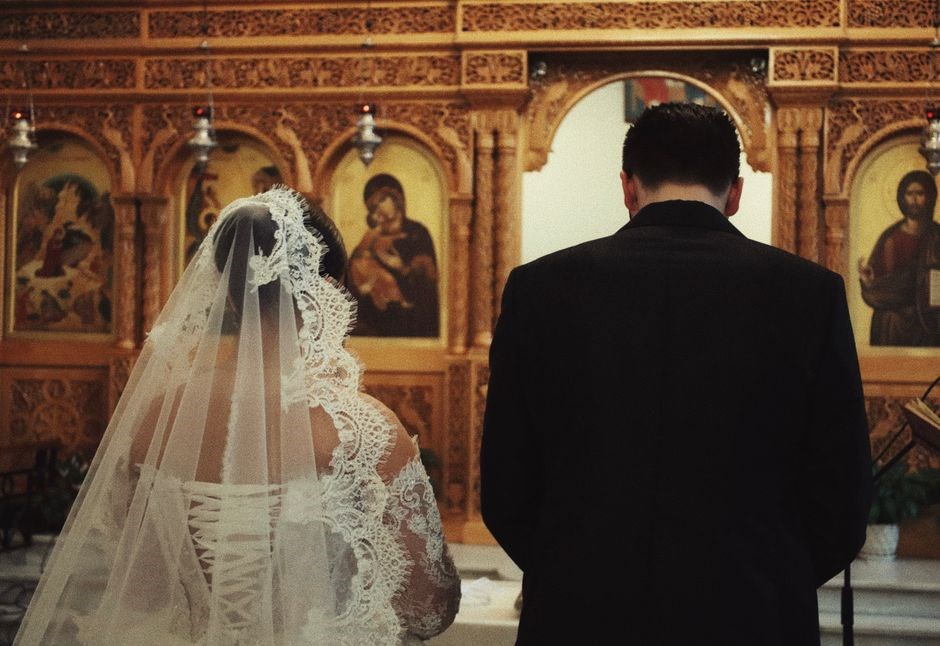
Eastern Orthodox Christian weddings, known as the Crowning, are steeped in ancient liturgy and symbolic rituals, emphasizing the couple’s spiritual union with Christ. The ceremony begins with the Engagement Service, where rings are blessed and exchanged, symbolizing mutual commitment. This is followed by the Crowning Rite, the heart of the ceremony, where the priest places crowns on the couple’s heads, signifying their roles as “king and queen” of their household and their spiritual coronation through Christ. A pivotal moment is the Sharing of the Cup, where the couple drinks wine from a shared chalice, representing their unity in both joy and trials. The Circles of Honor conclude the rite, with the couple dancing three times around the altar, symbolizing their eternal journey together under God’s grace. Unlike Catholic or Protestant scripts, Orthodox ceremonies rarely include personalized vows; instead, they rely on fixed prayers, scriptural readings (e.g., Ephesians 5:22–33), and hymns like the Trisagion. Icons of Christ and the Theotokos (Virgin Mary) are central, and services are conducted in traditional languages (e.g., Greek, Russian), though bilingual Eastern Orthodox wedding script PDFs are increasingly available for multicultural couples. These PDFs often include detailed rubrics for the officiant, deacon, and choir, ensuring adherence to tradition while accommodating modern contexts. The ceremony emphasizes sacramental mysticism, with the priest acting as a mediator of grace rather than merely a witness. Post-ceremony, many communities hold a festive meal, though the script itself focuses solely on the sacred rites. Unique elements like the Prostration (kneeling prayers) and the blessing of the crowns are meticulously outlined in these documents, reflecting the denomination’s focus on ritual purity and theological depth. The absence of a Eucharistic meal, common in Catholic scripts, underscores the Orthodox view of marriage as a sacrament of love rather than a liturgical sacrifice. For interfaith couples, adaptations may be permitted, but the core rites remain unchanged, preserving the ceremony’s historical and theological integrity as detailed in authoritative Eastern Orthodox wedding ceremony script PDFs.
(Character count: 1597)
Customizing Your Christian Wedding Script
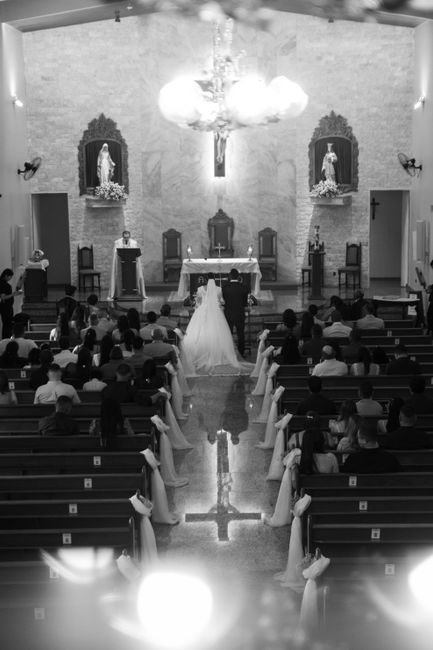
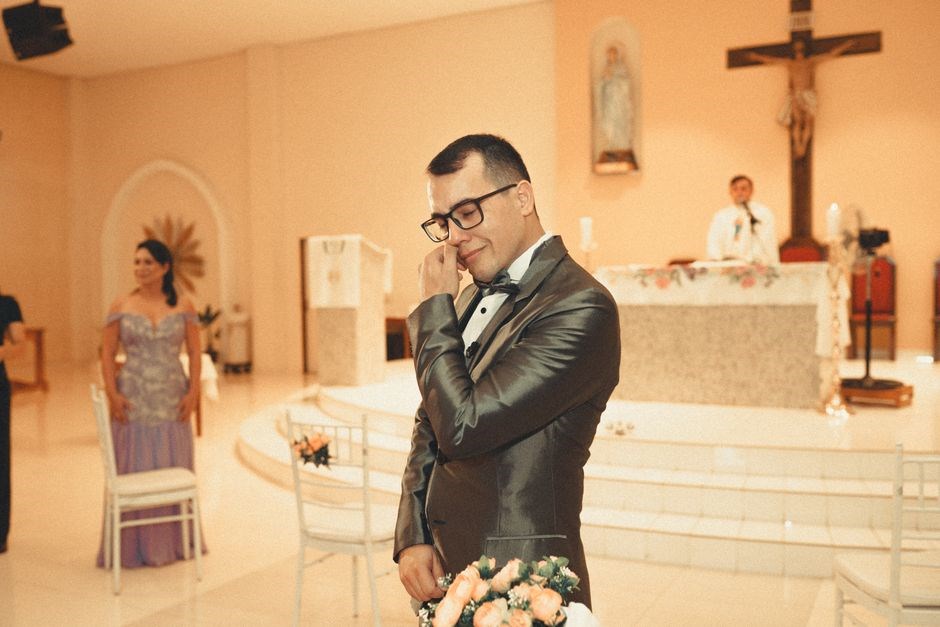
Customizing a Christian wedding script allows couples to weave personal meaning into sacred traditions. Many Christian wedding ceremony script PDFs provide flexible frameworks for incorporating unique elements, such as personalized vows, selected scripture readings (e.g., Song of Solomon or Ephesians 5:22–33), or cherished family rituals like ring blessings or unity candles. Music choices, from traditional hymns to contemporary worship songs, can also reflect the couple’s journey. Some couples opt to include a love story narration or a joint prayer written together, deepening the emotional resonance. For interfaith or multicultural unions, scripts may blend elements from different Christian denominations or cultural heritages, such as Celtic handfasting or Ethiopian Orthodox blessings. However, it’s crucial to maintain the theological core—most PDF guides recommend collaborating with an officiant to ensure additions align with Christian doctrines. Custom illustrations, calligraphy, or digital versions of the script can also enhance the ceremony’s aesthetic and accessibility, making the day both spiritually resonant and distinctly personal.
(Character count: 319)
4.1 Personalizing Vows and Commitments
Personalizing vows and commitments is a heartfelt way for couples to infuse their unique story into a Christian wedding ceremony. Many Christian wedding ceremony script PDFs offer templates that balance biblical principles with personal expression, such as weaving verses like Ephesians 5:25–33 or 1 Corinthians 13:4–8 into promises. Couples might include anecdotes about their journey, shared values, or specific aspirations for their marriage, ensuring the vows reflect their faith and relationship. For example, a couple could vow to “support each other’s spiritual growth” or “build a home rooted in grace and service;” Some scripts suggest structuring vows around the concept of covenantal love, emphasizing lifelong dedication. Others provide guidelines for collaborative promises, where both partners speak the same words, symbolizing unity. It’s common to incorporate rituals like the unity candle lighting or chain of flowers alongside vows, visually representing their pledges. However, most PDF resources advise couples to review personalized content with their officiant to maintain theological integrity and ensure the language aligns with Christian teachings. Digital scripts often include editable sections for easy customization, allowing couples to retain traditional elements like “I promise to love you as Christ loves the Church” while adding personal touches. For interfaith couples, some guides suggest blending vows from different denominations, though care is taken to preserve the core message of sacrificial, unconditional love. Ultimately, personalized vows serve as a sacred dialogue between the couple and God, making the ceremony both intimate and deeply meaningful.
(Character count: 1597)
4.2 Incorporating Music and Readings
In Christian weddings, music and readings are pivotal in creating a spiritually resonant atmosphere. Christian wedding ceremony script PDFs often emphasize selecting music that aligns with theological themes, such as hymns like “Here I Am to Worship” or “How Great Thou Art”, which underscore reverence and joy. Instrumental pieces, choirs, or soloists may accompany processional or recessional walks, while contemporary couples might opt for modern worship songs like “10,000 Reasons”. Scriptural readings are equally vital, with many PDF guides recommending passages like 1 Corinthians 13 (the love chapter), Song of Solomon (celebrating marital unity), or Ephesians 5:21–33 (on mutual submission). These texts are often interwoven with homilies or reflections to contextualize the couple’s commitment. Some scripts suggest including non-biblical literary or poetic works, provided they align with Christian values, such as excerpts from “The Love Song of J. Alfred Prufrock” or “The Road Not Taken”, though this varies by denomination. For liturgical traditions, chants or Psalms may be prescribed, while non-denominational services might blend secular and sacred elements. Many PDF resources provide playlists or reading lists, categorized by ceremony segments (e.g., prelude, exchange of vows, communion). Couples are often advised to coordinate with the worship leader or officiant to ensure musical selections adhere to church policies—some denominations restrict instrumental music, favoring acapella, while others embrace diverse styles. Readings can also be personalized, such as including a verse that resonates with the couple’s journey or a passage significant to their families. Digital scripts frequently include tips for balancing traditional hymns with contemporary music, or for pairing readings with seasonal themes (e.g., Advent or Easter motifs). Ultimately, the goal is to use music and scripture to craft a narrative of love, grace, and divine blessing, ensuring every note and word reinforces the spiritual foundation of the marriage.
(Character count: 1597)
Accessing and Utilizing Christian Wedding Script PDFs
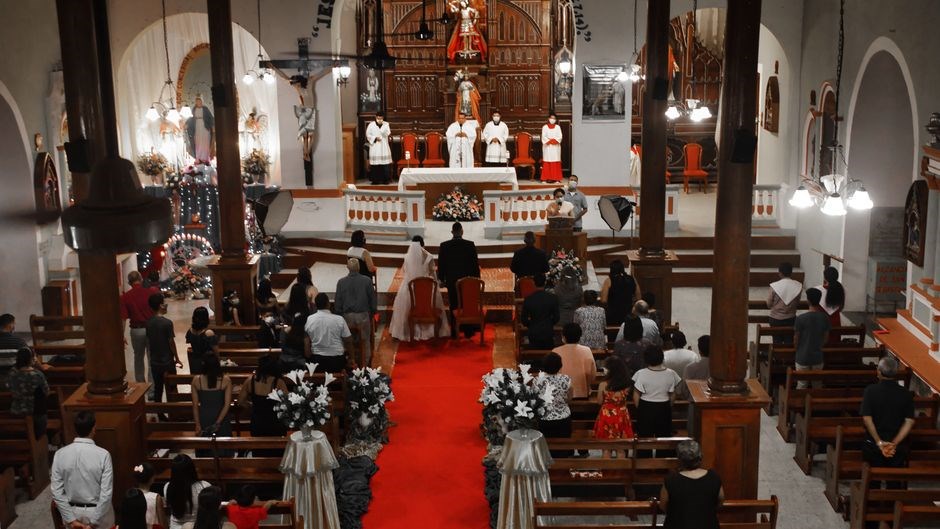
Christian wedding ceremony script PDFs are readily available online, offering couples a practical resource to streamline ceremony planning. These documents are often provided by denominational websites, such as Catholic dioceses, Protestant ministries, or Evangelical organizations, ensuring alignment with specific theological practices. Wedding planning platforms like The Knot or WeddingWire frequently host free downloadable templates, while specialized vendors may sell premium versions with customizable fonts, layouts, and scripture integration. Couples can also explore Christian bookstores, religious forums, or apps like YouVersion Bible for scripture-centric scripts. When utilizing these PDFs, consider the following strategies: first, verify the source’s credibility to ensure doctrinal accuracy and avoid outdated or unorthodox content. Second, use PDF editing tools to personalize sections—such as inserting unique vows, cultural rituals, or preferred hymns—while maintaining the script’s core structure. For digital-savvy couples, embedding hyperlinks to audio recordings of music or video messages from loved ones can enhance the ceremony’s multimedia elements. Printing considerations are equally important; opt for high-quality paper and binding for the officiant and wedding party, while distributing digital copies to vendors via cloud services like Google Drive ensures everyone remains synchronized. Some PDFs include checklists or timelines for rehearsing readings, coordinating processional orders, or assigning roles to attendees. Additionally, couples may incorporate annotations in the margins for reminders, such as cueing musicians or signaling when to exchange rings. For interdenominational weddings, look for PDFs that blend elements from multiple traditions, such as combining Catholic liturgy with Protestant praise music. Libraries or historical churches might also offer access to vintage scripts for those seeking a traditional or heritage-inspired ceremony. Always ensure that any modifications respect the original intent of the script, particularly if using liturgical texts requiring permissions for alteration. By leveraging these resources thoughtfully, couples can create a cohesive, spiritually meaningful ceremony that honors their faith and personal story.
(Character count: 1597)


Leave a Reply
You must be logged in to post a comment.